Yorkshire Ambulance Service celebrates International Paramedics Day by highlighting how paramedics are transforming urgent and emergency care
07 July 2026
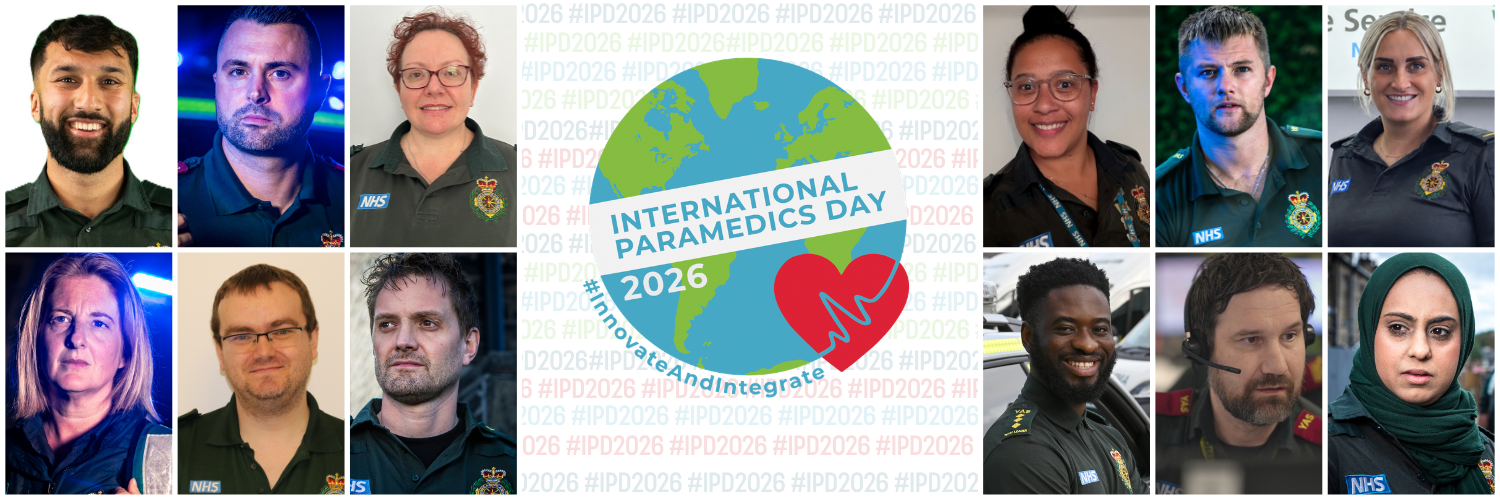
Yorkshire Ambulance Service (YAS) is celebrating International Paramedics Day on 8 July by recognising the growing role of paramedics in transforming urgent and emergency care across the region.
This year’s theme, ‘Innovate and Integrate’, reflects how paramedics and frontline responders are using advanced clinical skills, digital technology, research and closer working with healthcare partners to improve outcomes for patients.
At YAS, paramedics are no longer working solely in traditional frontline emergency response roles. They are increasingly central to remote clinical assessment, urgent care, mental health support, critical care, specialist pathways and research, all designed to improve patient care.
In 2025-26, YAS had 2,266 paramedics who worked alongside crew members and colleagues to respond to around 909,000 emergency incidents across Yorkshire, either by arriving on scene in a vehicle or providing telephone advice.
One of the most significant developments is the expansion of remote care and telemedicine, including:
- Around 300 senior clinical advisors (both paramedics and nurses) – more than ever before – working in our Emergency Operations Centre and NHS 111, using their clinical knowledge and patient care experience to assess people over the telephone, give timely advice and help ensure they receive the most appropriate care for their needs
- Clinical navigators (the majority of whom are paramedics) based in the Trust’s Emergency Operations Centre being trained as specialist practitioners in remote care, enhancing their ability to assess patients safely by telephone or video.
- Better identification of patients who need an emergency ambulance response and those who can be safely supported through alternative healthcare routes.
This approach is helping patients access the right care earlier in their healthcare journey, reducing avoidable ambulance dispatches and emergency department attendances where another service is more appropriate, while ensuring emergency resources remain available for those with the most serious and life-threatening needs.
YAS paramedics are also playing a key role in the development and use of clinical pathways across Yorkshire and the Humber. These pathways help crews and clinicians refer patients directly to services such as same-day emergency care, community services and specialist teams. This helps avoid unnecessary hospital conveyance and improves patient experience.
Mental health care is another area where paramedics are helping to drive meaningful change. Through closer links with crisis teams, mental health professionals and local safe spaces, YAS clinicians are working to ensure people experiencing mental health crisis are connected with the right support sooner. This integrated approach recognises that an emergency department is not always the most appropriate place for someone in mental health distress and helps provide more suitable care based on individual need.
The Trust is also championing innovation through research, with a growing number of paramedics involved in projects to improve pre-hospital care, strengthen clinical practice and build the evidence base for the profession. Their involvement is helping shape new ways of working in line with changing needs across the NHS and this video gives an insight into some of the research projects our paramedics are involved in.
Dave Green, Chief Paramedic at Yorkshire Ambulance Service, said: “International Paramedics Day is an important opportunity to recognise the outstanding contribution of our paramedics and frontline responders and the major role they play in modern urgent and emergency care.
“Paramedics are highly skilled, autonomous clinicians who make complex decisions every day, often in challenging and unpredictable circumstances. Their expertise, professionalism and compassion make a real difference to patients, families and communities across Yorkshire and the Humber.
“The profession has evolved significantly, and our paramedics are at the forefront of advancements in pre-hospital care. Whether they are responding to life-threatening emergencies, supporting remote assessment, developing urgent and mental health care pathways or contributing to research, they are helping to shape safer, more effective and more integrated care.
“I am incredibly proud of our paramedics and the way they continue to innovate, adapt and lead improvements for the benefit of patients.”
International Paramedics Day was first launched by the Royal College of Paramedics in 2022 and is now recognised in more than 40 countries worldwide. This year, more than 160 global paramedic associations, higher education institutions and affiliated organisations are supporting the campaign.
The day takes place every year on 8 July, marking the anniversary of the birth of Dominique Jean Larrey, the French military doctor who became Napoleon Bonaparte’s chief surgeon of the Grand Armée and is often referred to as the father of modern-day ambulance services.
Remote patient care helps more people get the right support sooner
Yorkshire Ambulance Service is strengthening remote patient care to help more people receive the right advice, support and treatment without always needing an ambulance or a trip to hospital.
Remote patient care means a trained clinician speaks to a patient by phone or video, asks detailed questions about their symptoms and decides what help they need next. This could include advice to manage their illness or injury safely at home, referral to a local service, support from a GP or urgent care team, or an ambulance response when it is needed.
For many people who call 111 or 999, this is their first contact with the NHS. Speaking to the right clinician sooner can help patients feel reassured, access the most appropriate care for their needs, reduce unnecessary journeys to hospital and make sure emergency ambulances are available for the most seriously ill and injured patients.
It also benefits the wider health and care system by helping patients access community services, urgent care, mental health support or other local services when these are more appropriate than an emergency department. This helps reduce pressure on hospitals and supports care closer to home.
Wendy Booth is a clinical navigator in remote patient care based in Wakefield.
She said: “Working as a clinical navigator is a unique and challenging shift from the traditional frontline role. I act as a vital bridge between the public and our frontline crews by clinically reviewing waiting incidents, triaging patients, and determining the most effective pathway for their care.
"An example of such is Patient A. He had fallen and sustained no injuries but was unable to get himself up. He also confirmed that his mobility had been declining since a recent extended stay in hospital. With this information, I made a decision to 'push' the patient’s care to Barnsley Rightcare. He was accepted by them for triage and treatment. It was confirmed later that they had attended and assisted the patient off the floor, and organised a reablement team to visit to improve his mobility. The patient was able to remain in his own home, with the expertise of local services to support his recovery, without the need for hospital admission.
"I am very proud to be a paramedic/clinical navigator, and work with a wonderful team of clinicians who always do their utmost to ensure the right care, in the right place, first time.”
To support this work, the Trust has developed a new training route for paramedics and nurses who become clinical navigators, which are experienced clinicians working in remote patient care. The training will help these clinicians to enhance the specialist skills needed to assess patients safely by phone or video and make confident decisions about the best next step in their care.
Around 35 clinical navigators, most of whom are paramedics based in the Yorkshire Ambulance Service's Emergency Operations Centre, will have the opportunity to train as specialist practitioners in remote care over the five years.
Remote patient care relies on strong listening skills, clinical judgement and the use of digital tools. By building a clear picture of a patient’s needs through conversation, clinicians can identify safe alternatives to hospital where appropriate, while making sure those who need an ambulance still receive one.
Paramedic Lauren Walker is one of the first clinical navigators to do the apprenticeship.
She said: “Working towards being a specialist paramedic has really helped to build my confidence in this role. It has improved how I assess patients remotely - asking the right questions, identifying risk, and making safe, patient-focused decisions, even with limited information.”
Paramedic Chris O’Neill made the switch to remote patient care after spending 17 years on the frontline. He is also doing the Level 7 apprenticeship at Sheffield Hallam University.
“I was excited by the opportunity to work as part of a multidisciplinary team including GPs, nurses, mental health nurses and midwives. The focus on gold standard patient care using a variety of remote triage tools including video triage and clinical decision-making support systems whilst working with a variety of partner providers seemed like the logical next step to me.”
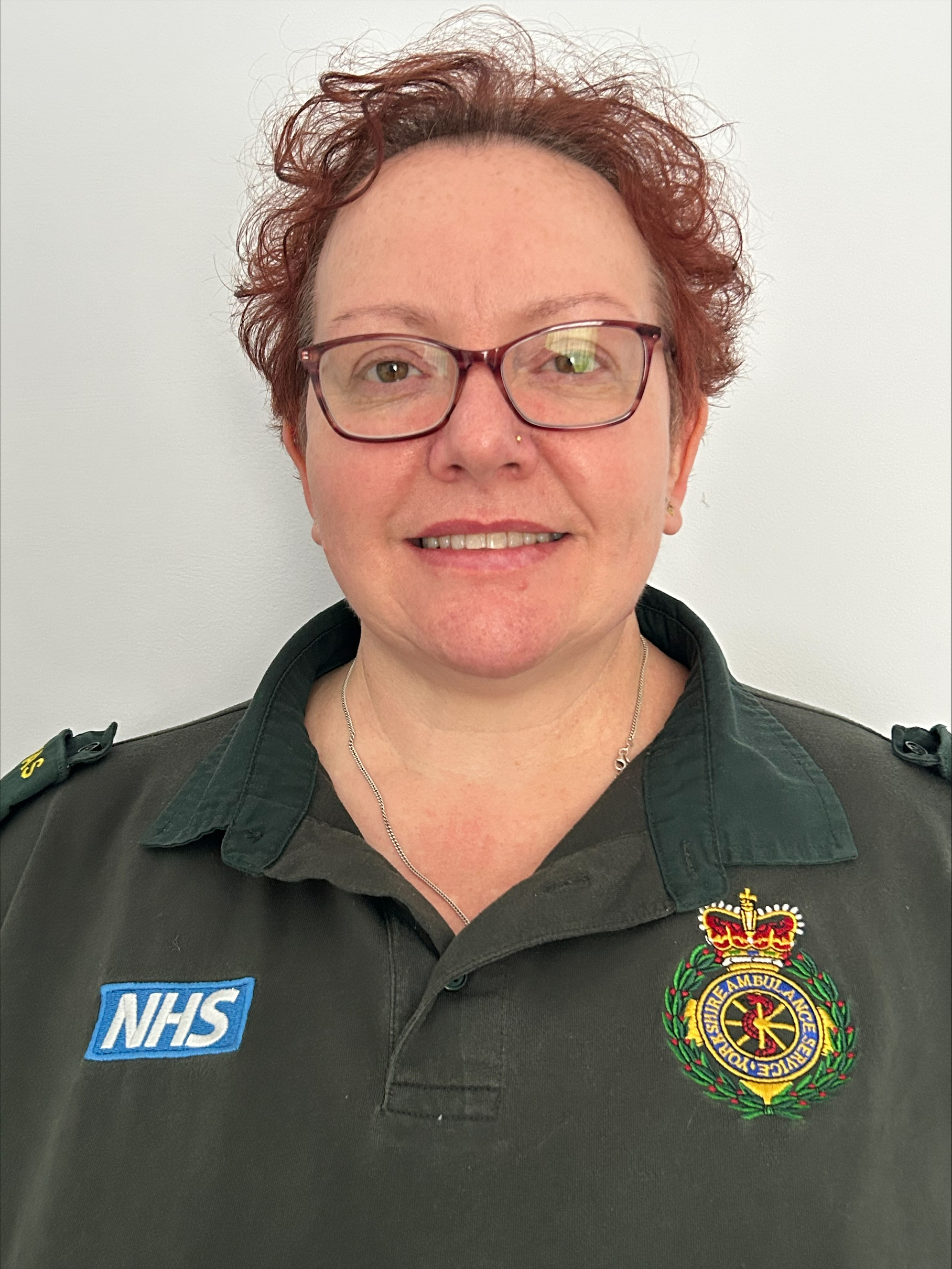
Wendy Booth
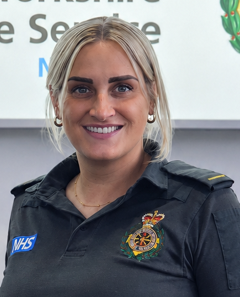
Lauren Walker
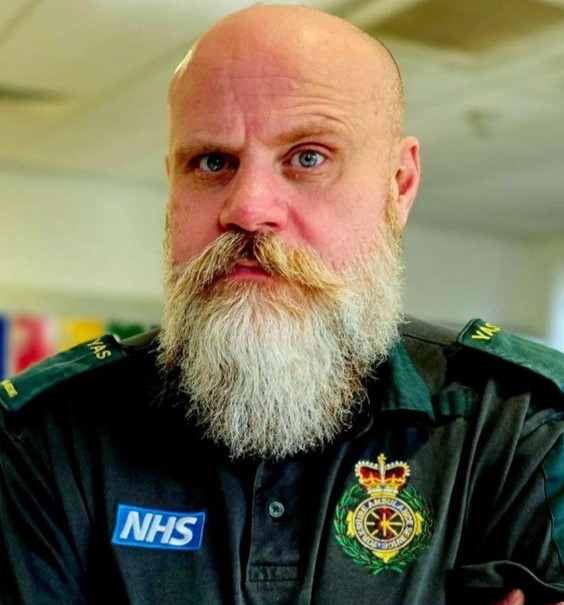
Chris O'Neill
Specialist paramedics helping people in mental health crisis get the right support sooner
Yorkshire Ambulance Service’s specialist paramedics in mental health play an important role in supporting people experiencing a mental health crisis across the region.
The Trust now has 27 specialist paramedics in mental health working across Yorkshire, including Hull, York, Wakefield, Bradford, Leeds, Halifax, Hoyland, Middlewood and Doncaster. Hull has been supporting people in mental health crisis through this approach for around five years, and the service has continued to grow across the region.
These specialist clinicians bring together ambulance experience, mental health training and close working with local partners, including crisis teams, community services, safe spaces and the police. Their role is to assess people’s needs, provide compassionate support and help connect them with the most appropriate care.
This can help reduce unnecessary journeys to emergency departments when another service may be better suited to someone’s needs, while ensuring emergency care remains available for people with serious or life-threatening conditions.
The approach also supports people to be seen as a whole person, not just the immediate crisis they are experiencing. By working with partners and understanding the wider factors affecting health and wellbeing, specialist paramedics are helping improve patient experience, reduce stigma and strengthen care for people in mental health distress.
The development forms part of Yorkshire Ambulance Service’s wider work to provide the right care, in the right place, first time for patients across Yorkshire and the Humber.
Produced by: Corporate Communications Department