Yorkshire Ambulance Service marks 20 years of caring for patients across the region
25 June 2026
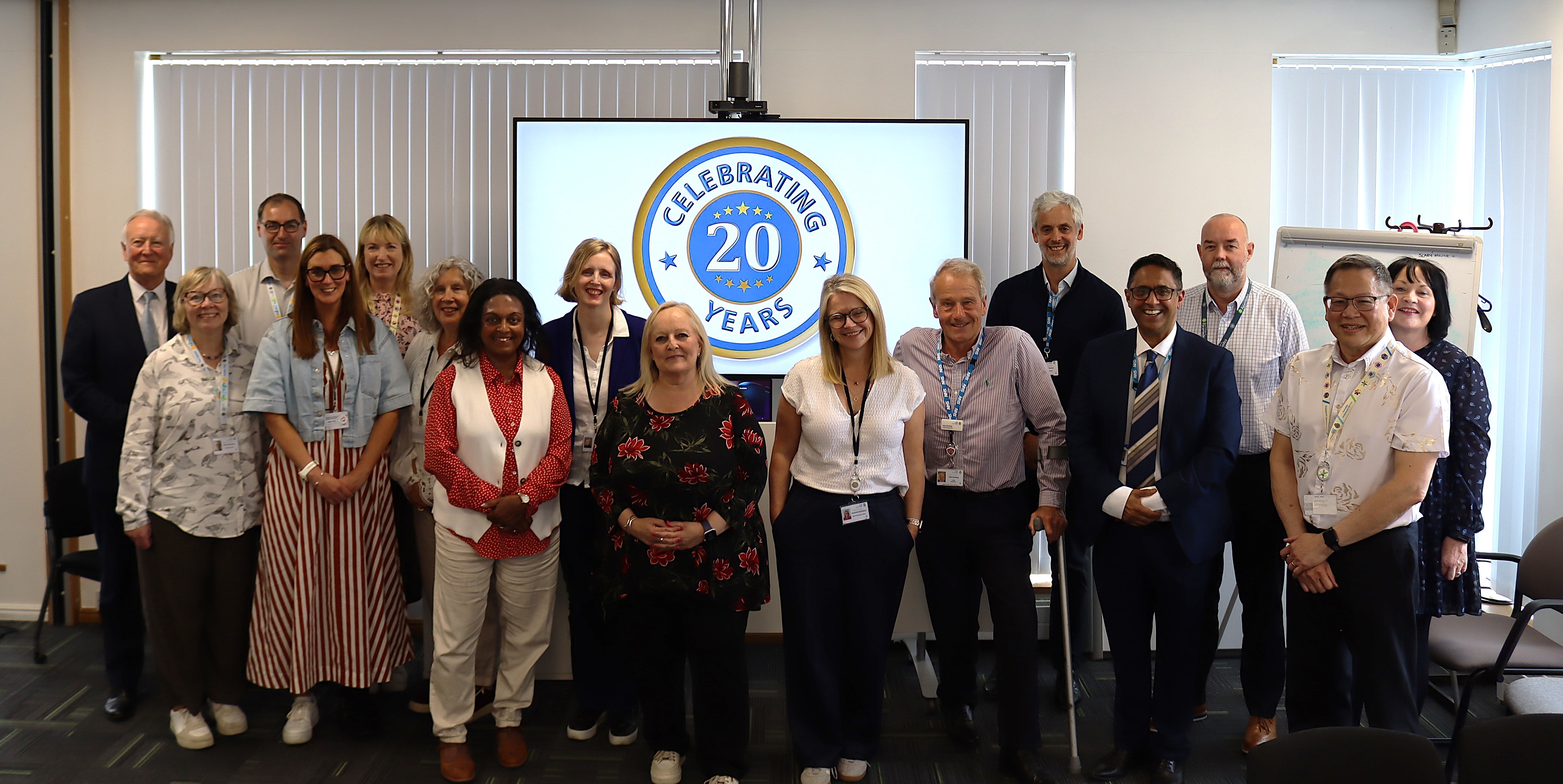
Yorkshire Ambulance Service Trust Board
Yorkshire Ambulance Service NHS Trust is celebrating two decades of providing emergency, urgent and non-emergency healthcare services to millions of people across Yorkshire and the Humber.
The Trust was formed on 1 July 2006 following the merger of South Yorkshire Ambulance Service, West Yorkshire Metropolitan Ambulance Service and the North and East Yorkshire parts of Tees, East and North Yorkshire Ambulance Service.
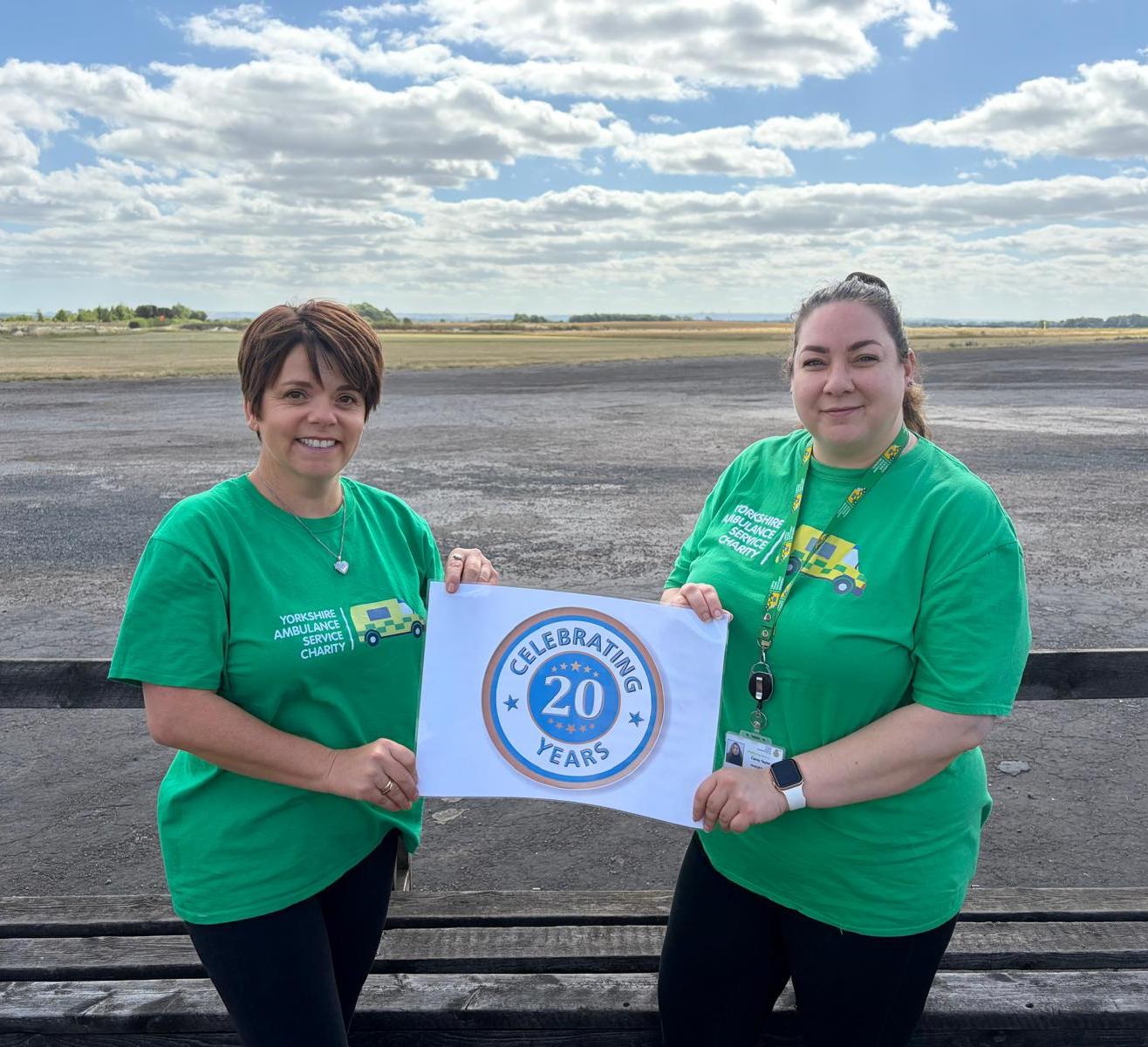
The Yorkshire Ambulance Service Charity (YAS Charity) is also celebrating the milestone with a special birthday fundraising campaign to run throughout the remainder of 2026.
Since 2006-07, the Trust’s workforce has more than doubled, rising by around 113% from 3,600 to 7,700 full and part-time staff, while annual ‘999’ calls have increased by around 130%, from 544,000 to 1.25 million in the last year.
Staff and volunteers have responded to changing patient needs, rising demand and major developments in healthcare, technology and clinical practice, while continuing to provide compassionate care to people when they need it most.
Since its formation, Yorkshire Ambulance Service has:
- dealt with more than 18 million ‘999’ calls
- carried out almost 20 million non-emergency journeys
- answered over 21 million NHS 111 calls.
Peter Reading, Chief Executive of Yorkshire Ambulance Service, said: “Reaching our 20th anniversary is a proud moment and a chance to recognise the difference our people have made to millions of patients in communities across Yorkshire and the Humber.
“Every day, our staff and volunteers are there for people in urgent and often life-changing circumstances — whether providing emergency care, safely transporting patients or offering health advice through NHS 111.
“Although the way we deliver care has changed significantly over the last two decades, our purpose remains the same: to be there for people when they need us.”
The anniversary will be marked by celebrating the milestones and memories that have shaped the Trust and YAS Charity since 2006. The YAS Charity is also calling on the public to help make 2026 the best fundraising year yet.
The charity supports initiatives that go over and above the work funded by the NHS. It provides life-saving CPR training to thousands of people across Yorkshire every year, with the aim that as many individuals as possible know how to respond in a medical emergency.
Since the launch of Restart a Heart Day in 2014, the charity has supported over 311,432 students during more than 1,397 school visits to learn CPR. In the same year, the YAS Charity started to install life-saving defibrillators in areas across the region that did not have them. This work has continued and in the last three years alone, the charity has supported the installation of 54 defibrillators across Yorkshire.
The charity creates brighter futures for vulnerable people by providing education and training opportunities, whilst also going the extra mile to support the health and wellbeing of YAS staff and volunteers.
Carey Taylor, Head of YAS Charity, said: “As we mark our 20th birthday, we’d love for you to celebrate with us by joining us in our fundraising mission for 2026. By supporting the YAS Charity, you are not only showing your appreciation for our life-saving staff and volunteers, but you are also being a life-saver yourself by helping to fund vital equipment and training which can make all the difference in a medical emergency.
“We are hugely grateful to anyone who has donated to the charity over the last 20 years and appreciate your continued support for the future, so we can keep doing our important work.”
There’s lots of ideas to help plan a fundraiser - from a sporting challenge to a quiz or karaoke night, or a bake sale - in the YAS Charity 20th Birthday Fundraising Pack, simply email yas.charity@nhs.net for your copy. Or to make a one-off donation of £20 for 20 years please visit YAS Charity 20th Birthday Fundraiser - JustGiving.
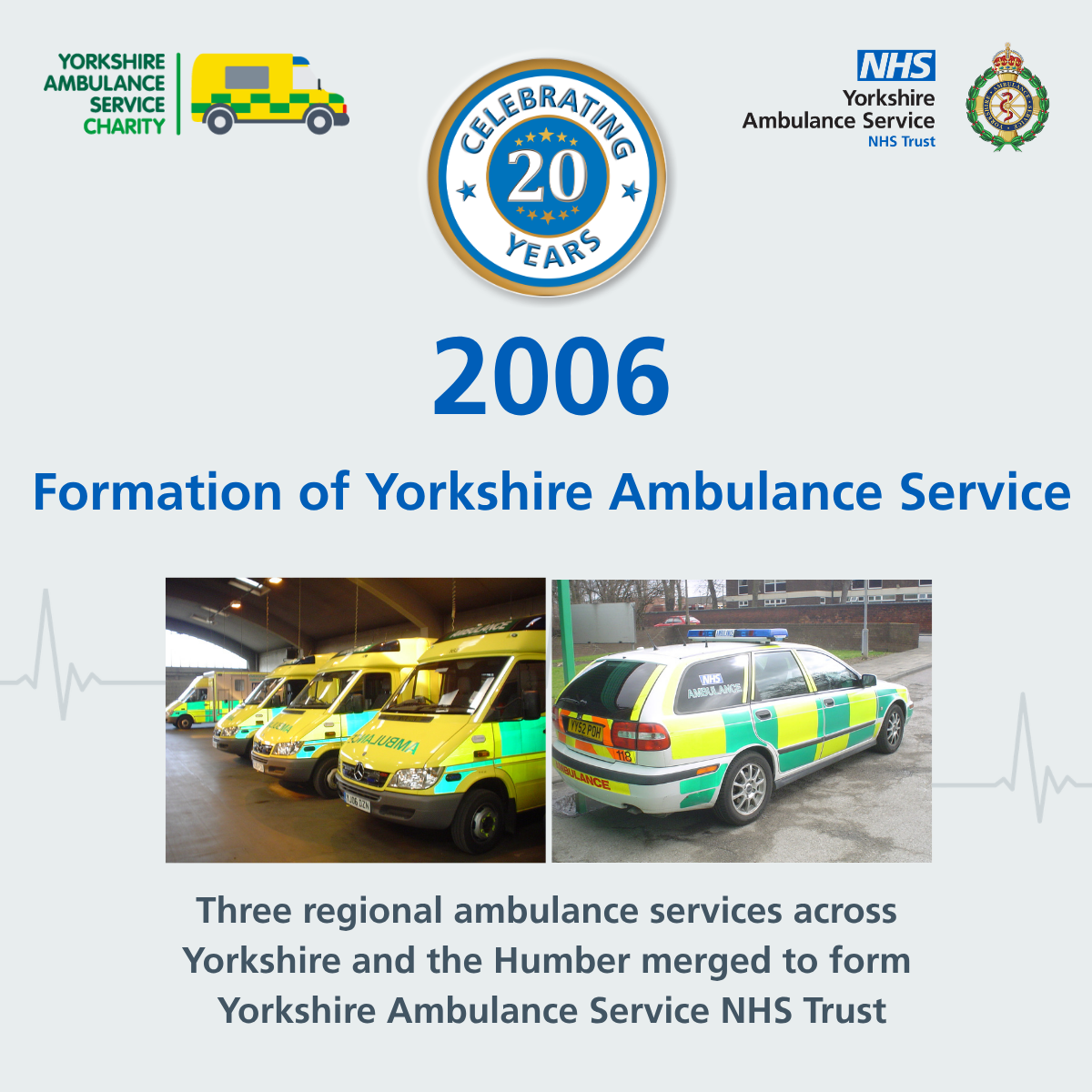
In 2006, ambulance services across England were reorganised following national recommendations to create larger, more resilient regional trusts. The merger aimed to improve coordination, strengthen emergency planning, reduce duplication and provide a more consistent service for patients across regions.
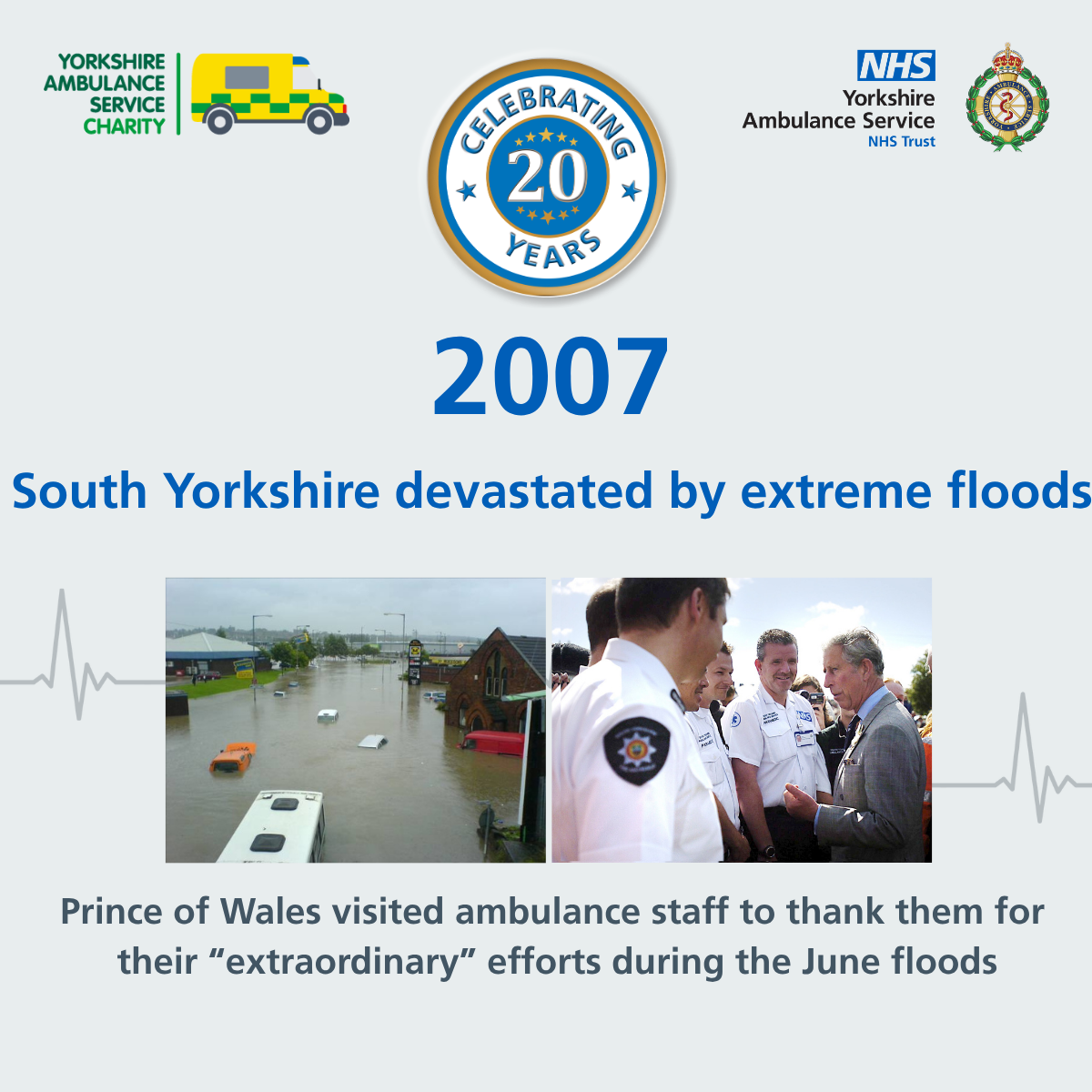
After some of the heaviest rainfall in UK history, we were faced with major difficulties reaching patients in flooded areas around Sheffield, Rotherham, Doncaster and Barnsley as we had to cope with road closures, including a section of the M1, traffic chaos, flooded stations and changes to hospital admission arrangements.
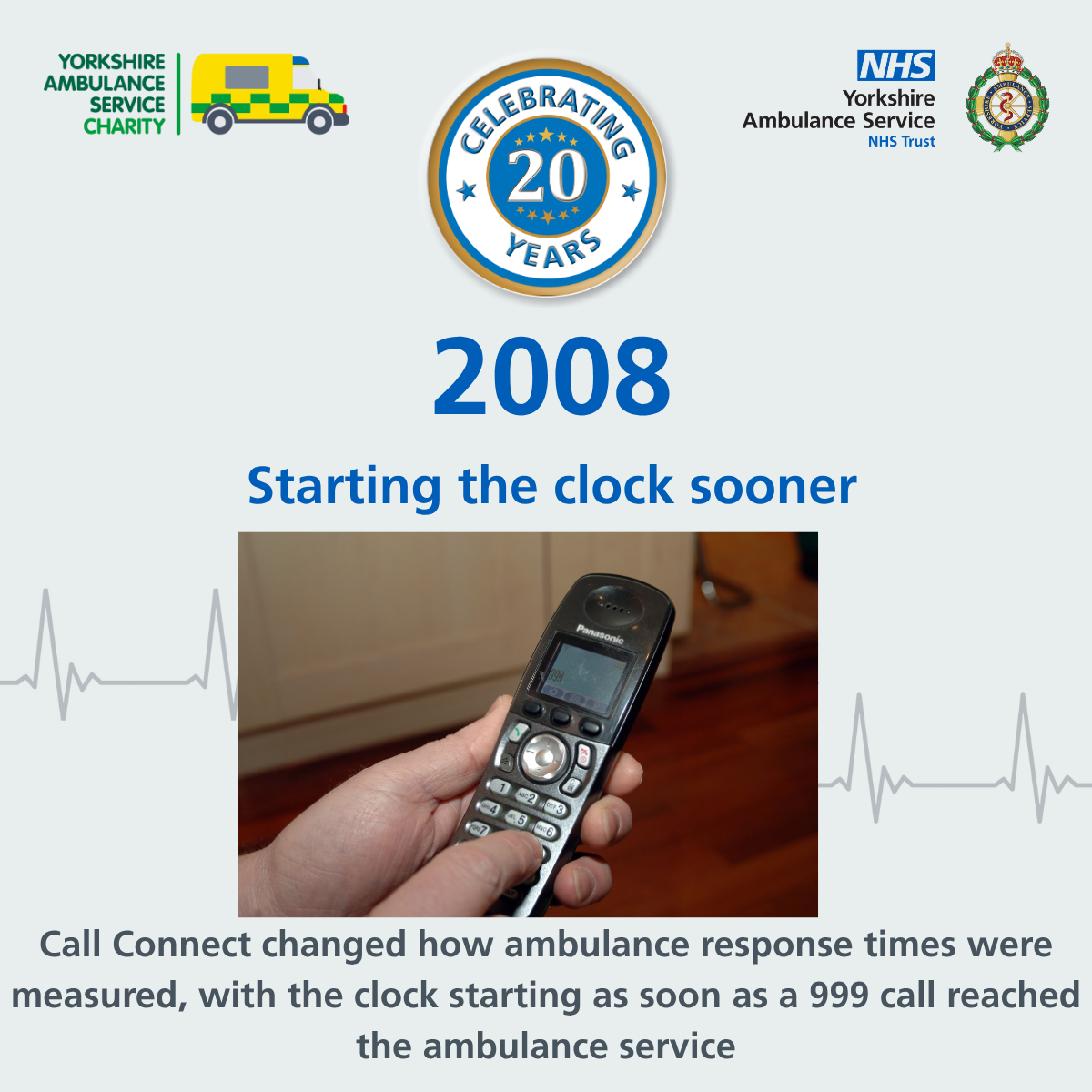
In April 2008, Call Connect changed the way ambulance response times were measured across England. Instead of starting once key call details had been taken, the clock began as soon as a 999 call was connected to the ambulance service. The change was introduced following recommendations from the Bradley Report and aimed to improve patient care by helping critically ill and injured patients receive emergency support more quickly.
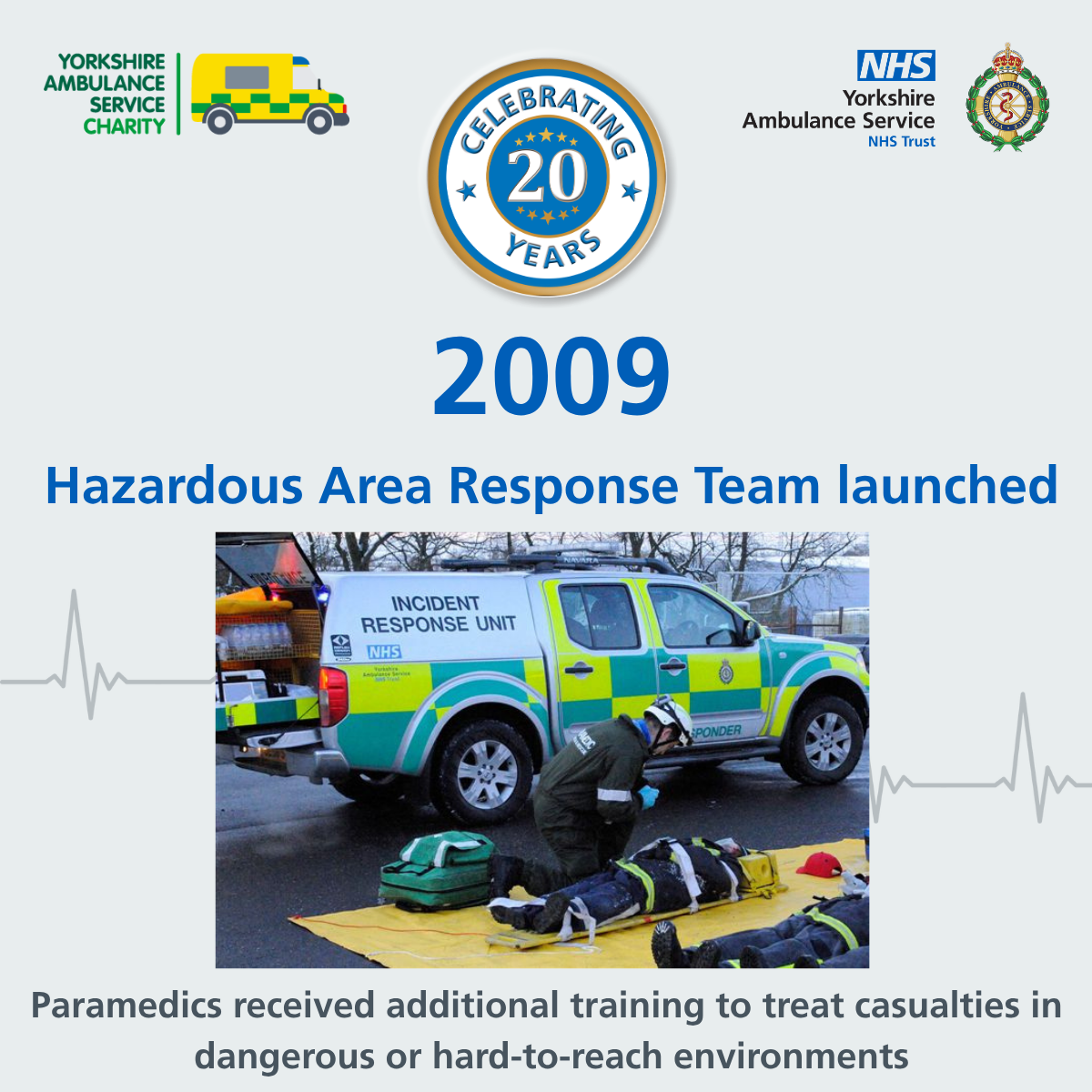
HART became fully operational in September 2009. The need for HARTs was identified after the July 2005 bombings in London when the ambulance service was unable to provide a service in the ‘hot zone’ or inner cordon. This was somewhere only the police and fire services were able to deploy personnel. As a result, HARTs were equipped and trained to enter the ‘hot zone’ to triage and treat casualties.
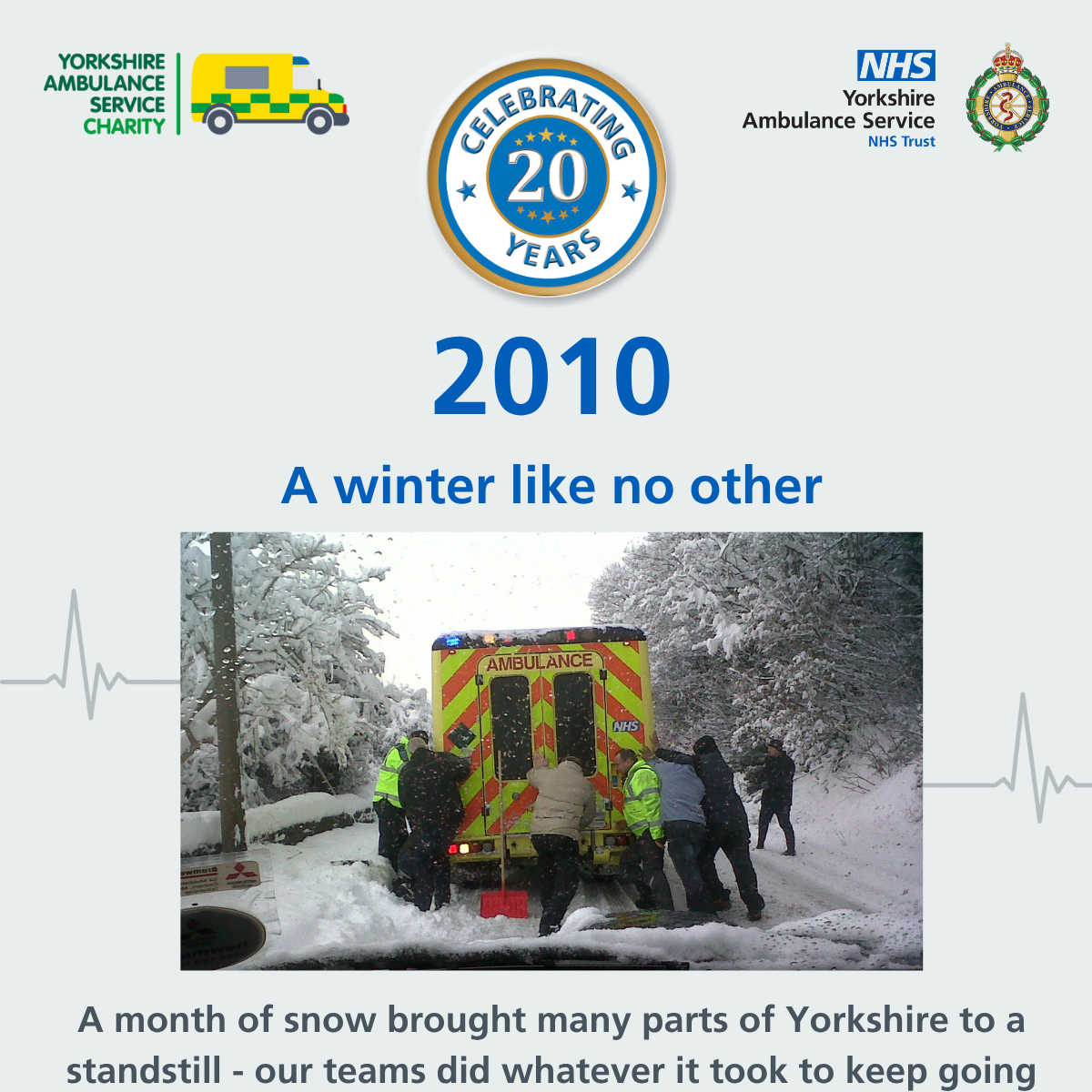
The region-wide winter deep freeze of 2010 – the most severe for decades – paralysed the region with extreme snowfall and sub-zero temperatures for almost a month, making it difficult for ambulances to reach patients. Mountain rescue teams were deployed in 4x4 vehicles to reach stranded patients and transport medical staff.
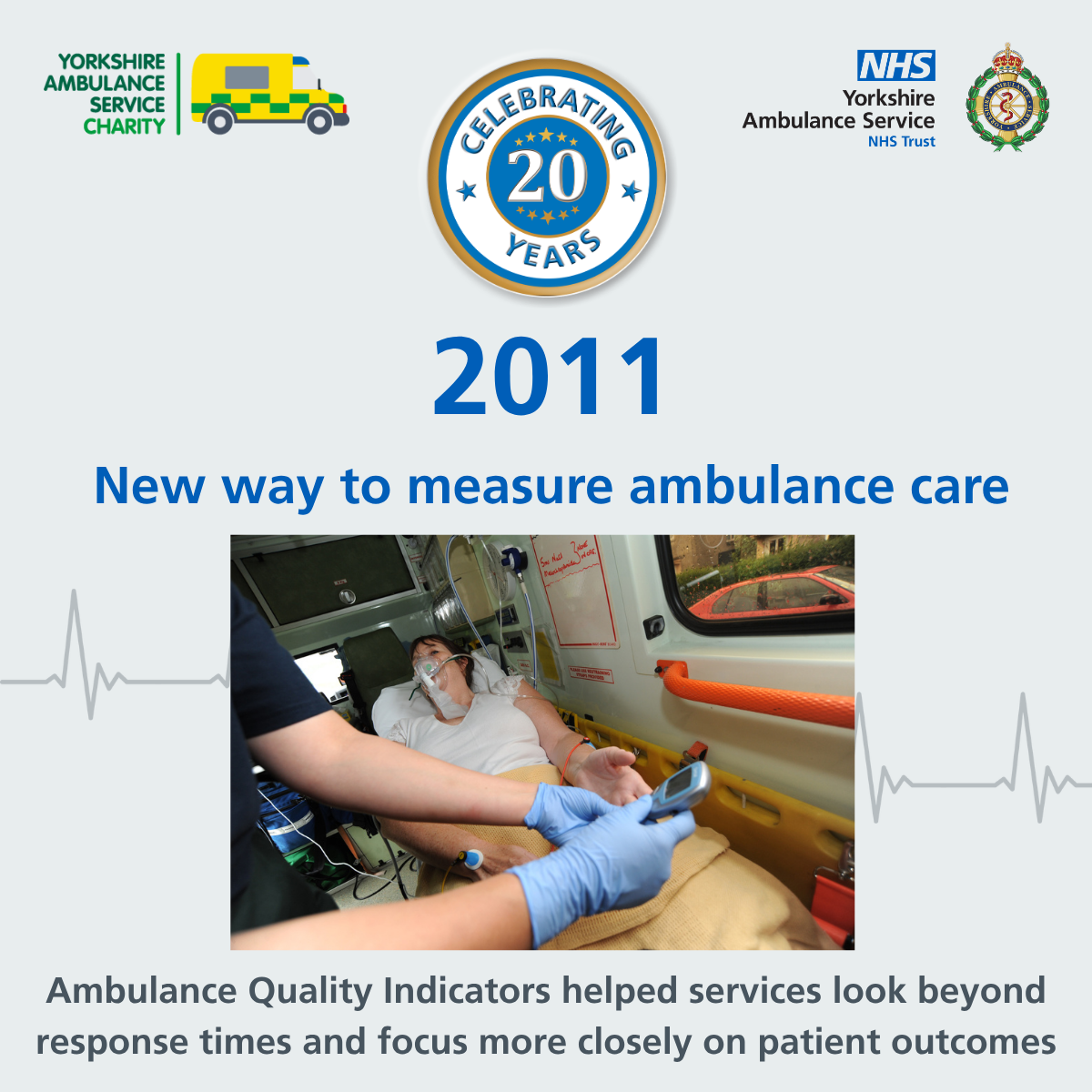
In April 2011, ambulance services in England introduced Ambulance Quality Indicators to better understand the quality of care provided to patients. The measures balanced response times with clinical outcomes for serious conditions including cardiac arrest, heart attack and stroke, helping services compare performance nationally and continue improving standards of care.
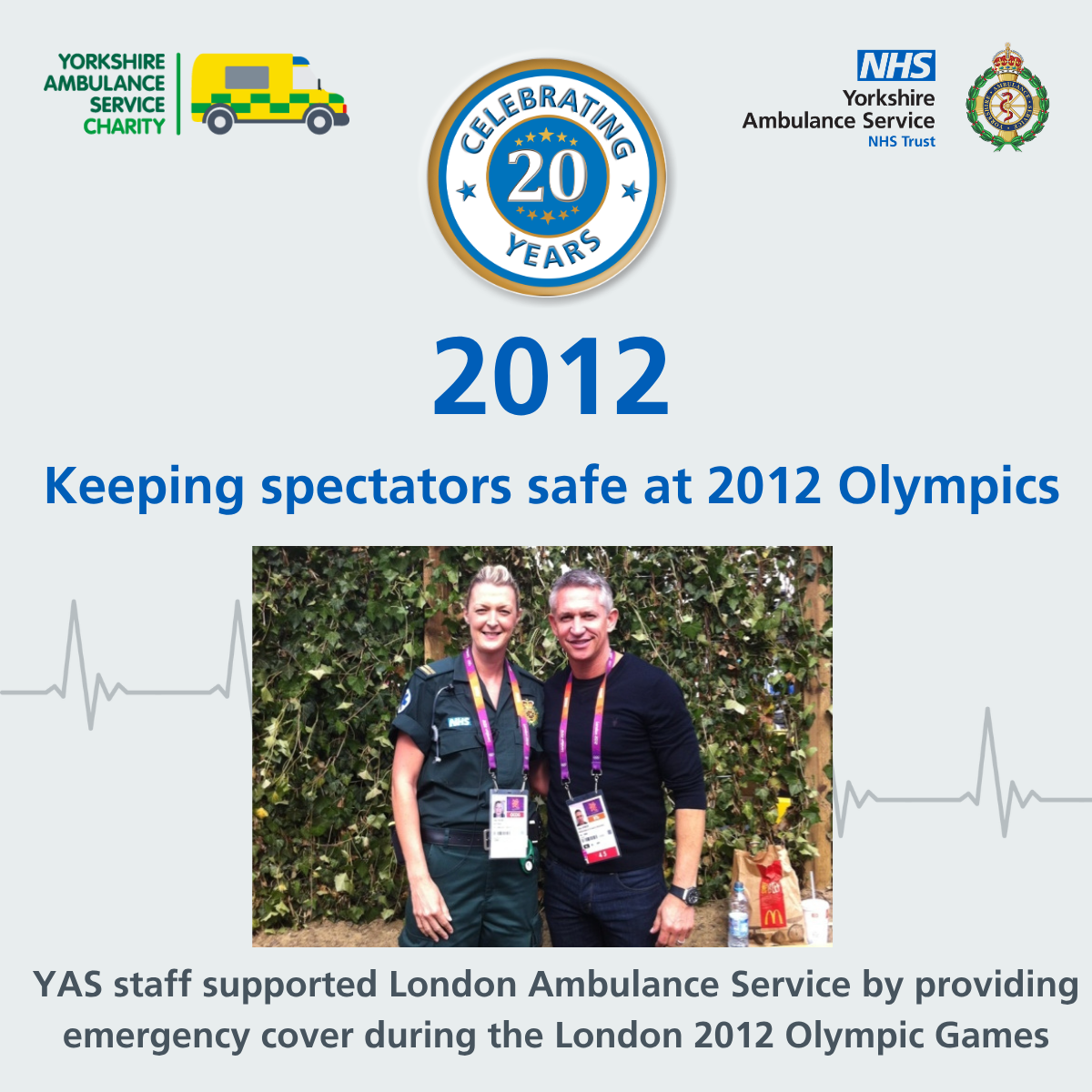
Twenty-eight frontline clinicians and staff from emergency operations centres and support services at YAS spent three weeks in the capital providing emergency assistance at the Olympic and Paralympic Games.
The volunteers took part in specialist training with London Ambulance Service to learn about their protocols, equipment and operational procedures and went through four days of intensive training on arrival to prepare them for their stint in London. A number of the volunteers also took part in an exercise in May to test the response of all emergency services to incidents ahead of one of the world’s biggest sporting events.
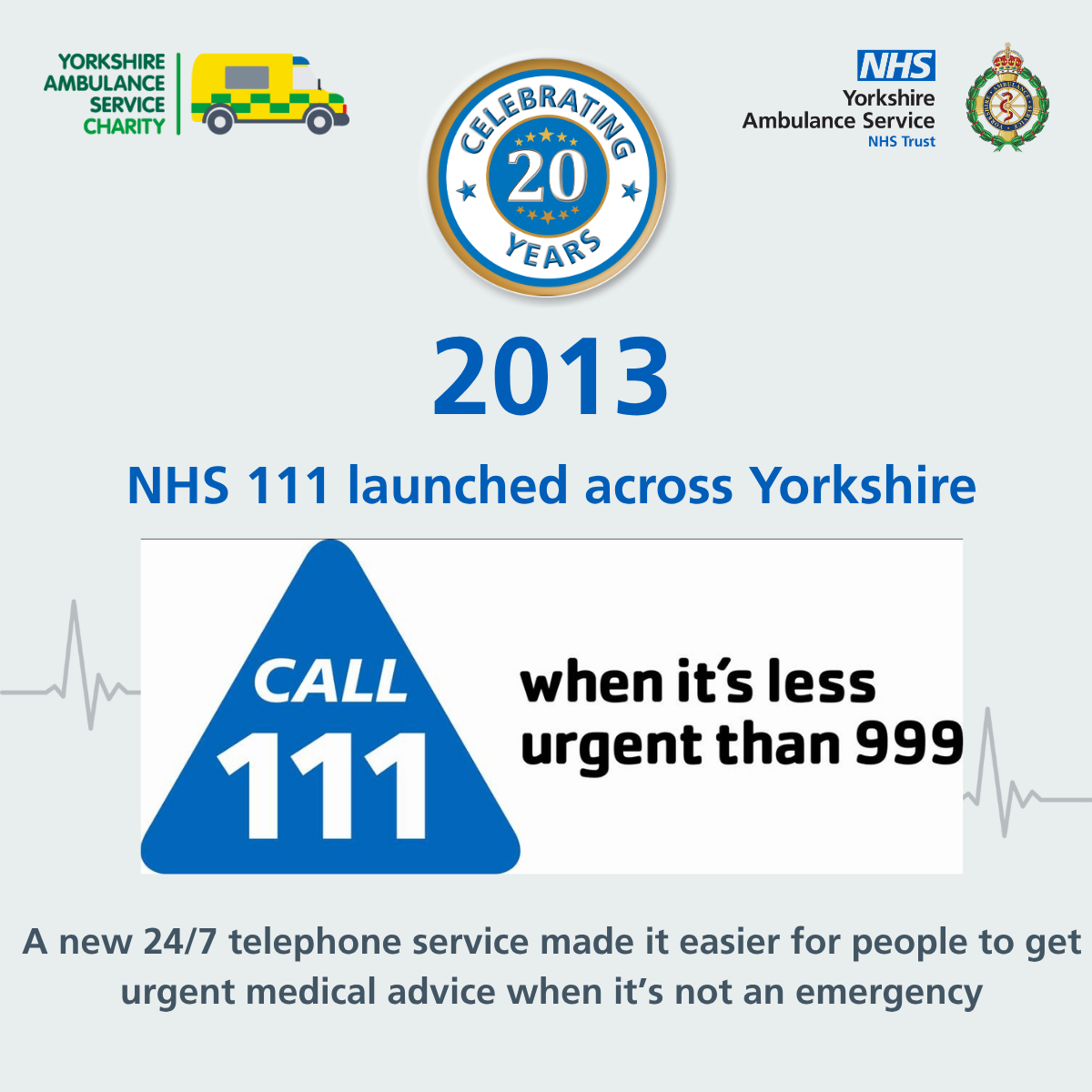
In 2013, NHS 111 was launched to give people a simple, free number to call for urgent medical help and advice when their situation was not life-threatening. Available 24/7 from landlines and mobiles, the service helped patients access the right care more quickly while supporting the wider urgent and emergency care system. The regional rollout was completed during 2013, with GP out-of-hours calls also moving into the new service across Yorkshire. Covering Yorkshire and the Humber, Bassetlaw, North Lincolnshire and North East Lincolnshire, the service took its one millionth call in February 2014.
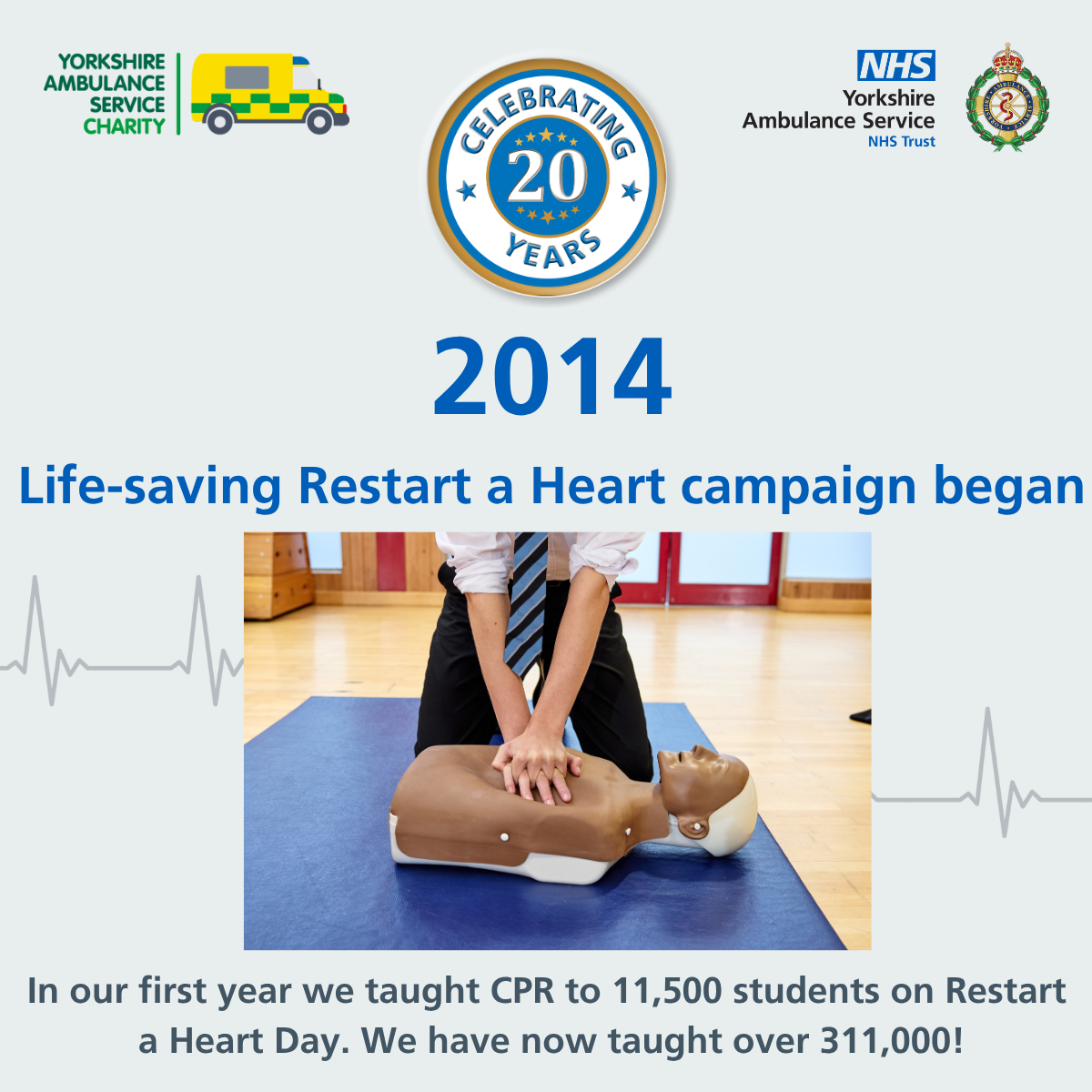
In 2014 we introduced our very first Restart a Heart Day campaign, teaching 11,500 Yorkshire schoolchildren life-saving CPR in its first year. Fast forward to today, and thanks to the incredible dedication of our staff and volunteers, this number has grown to a staggering 311,000 life-savers trained right here in our communities on Restart a Heart Day. Our teams also work hard to provide CPR training in communities throughout the year.
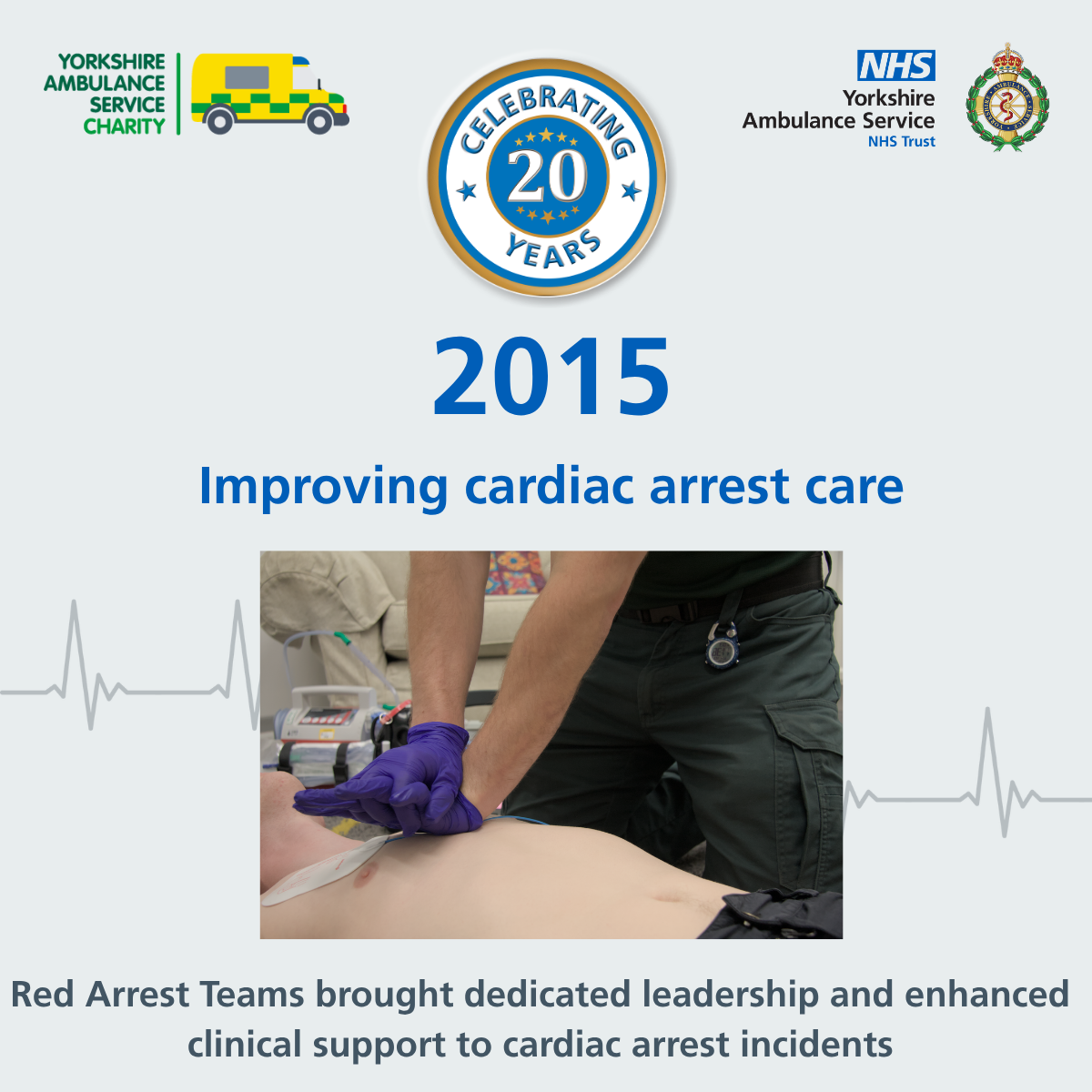
We introduced Red Arrest Teams to strengthen the management of cardiac arrest cases, with a dedicated team leader attending incidents to support coordinated, high-quality care. This marked the start of YAS using adrenaline to support a patient’s blood pressure following Return of Spontaneous Circulation (ROSC), alongside the use of external chest compression devices to assist with safer transport to hospital. The leadership model introduced through Red Arrest Teams continues to play an important role in cardiac arrest care today.
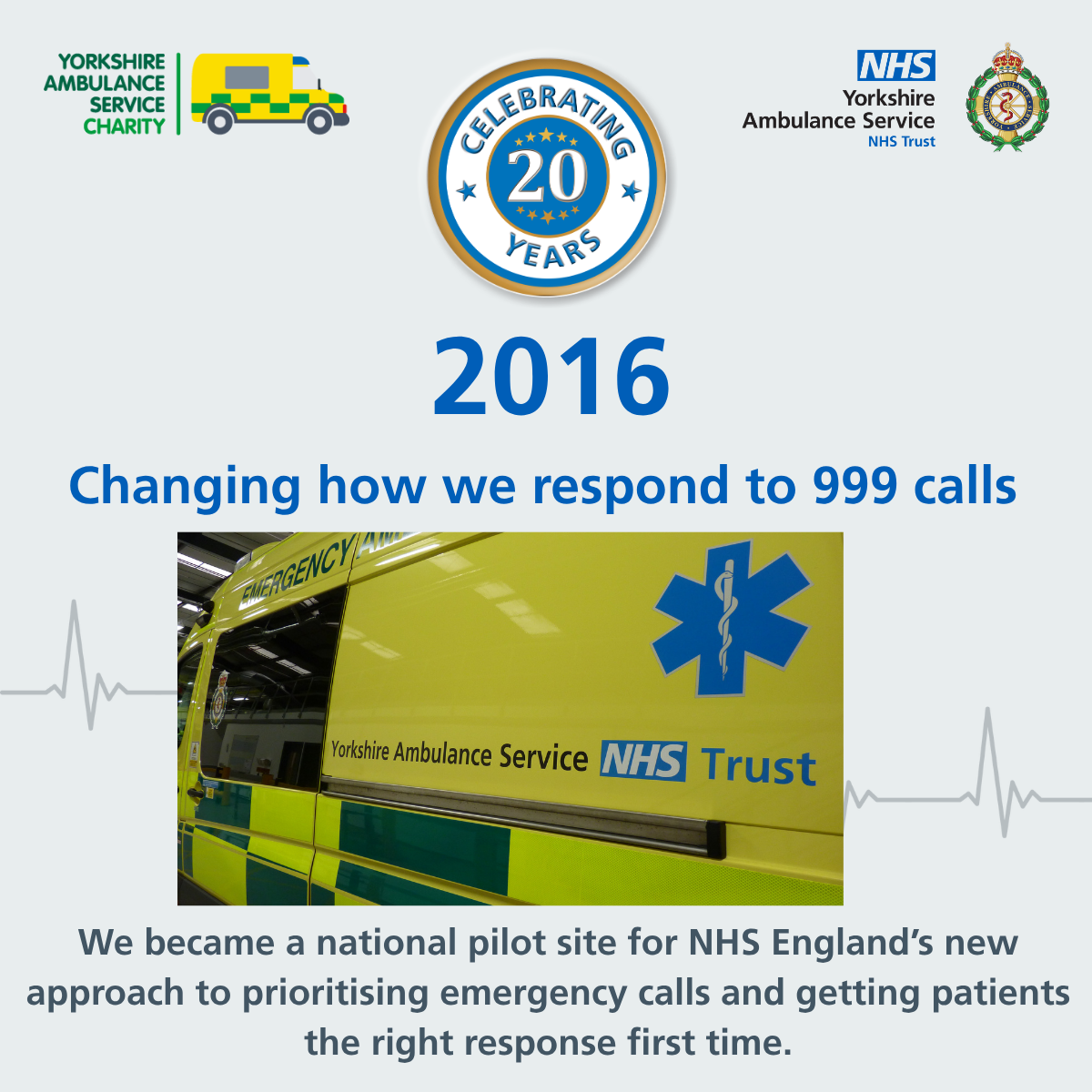
In April 2016, YAS became one of the national pilot sites for NHS England’s Ambulance Response Programme which introduced a new way of prioritising 999 calls. It aimed to helping ambulance services identify the most critically ill patients sooner and provide the most appropriate response first time. The approach also supported better clinical triage, including “hear and treat” and “see and treat”, helping more patients receive the right care without an unnecessary hospital admission. It was adopted nationally from July 2017 and is still used today.
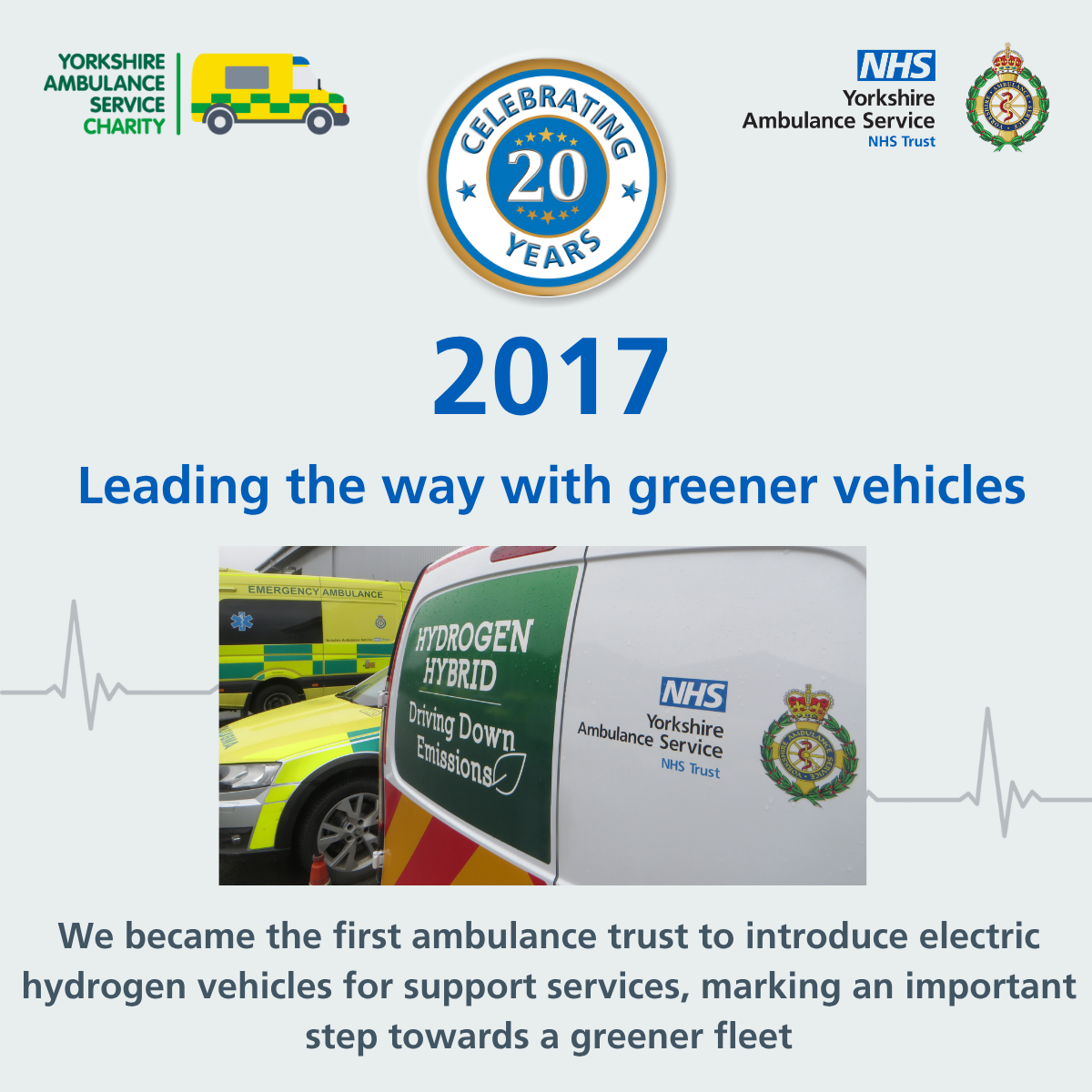
The introduction of electric hydrogen vehicles into our fleet for use by support services was an early milestone in our journey towards more sustainable ways of working. Today, our greener fleet continues to grow, with more than 75 electric vehicles now in use across the organisation with more due to be delivered in coming months and years in line with Greener NHS targets.
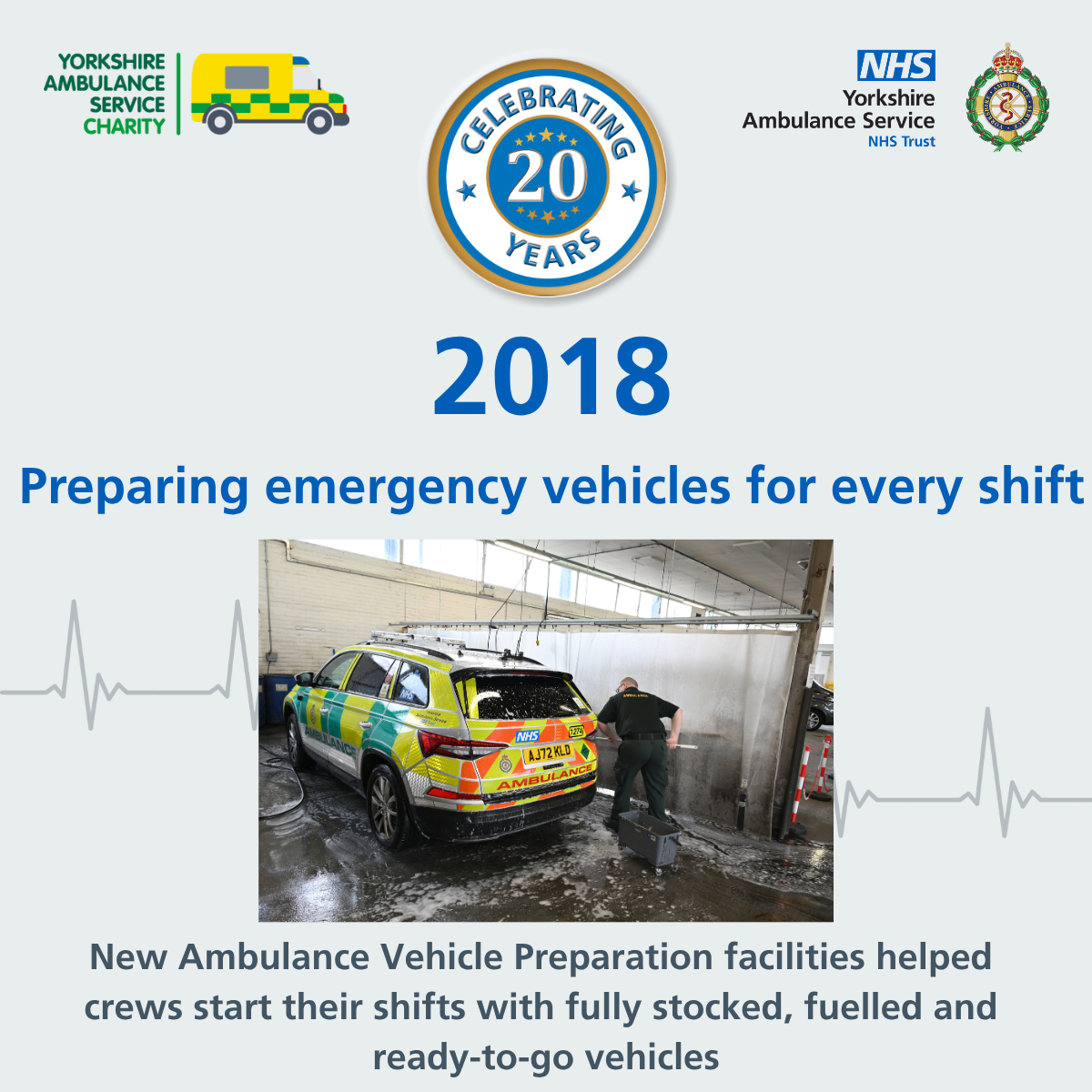
In 2018, a £2.1 million investment created new Ambulance Vehicle Preparation (AVP) facilities at Leeds and Huddersfield ambulance stations. Dedicated teams began preparing ambulances around the clock, ensuring vehicles were cleaned, fuelled, stocked and equipment-checked before crews arrived for their shifts. This helped clinicians spend less time preparing vehicles and more time focused on responding to patients. AVP facilities have now been established at numerous locations across the Trust.
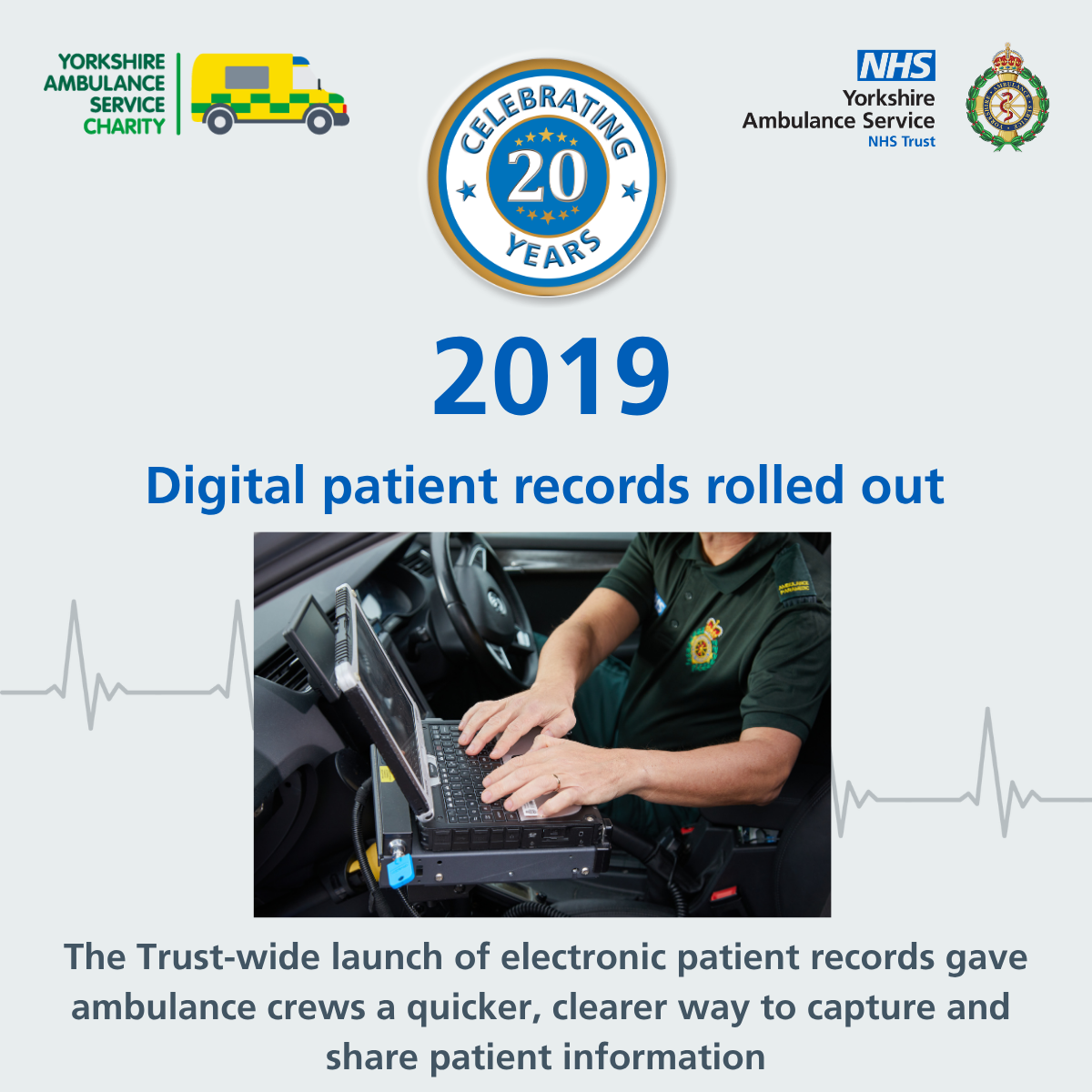
In 2019, we completed the Trust-wide roll-out of our electronic Patient Record (ePR).
Designed and developed by our staff for our staff the intuitive ePR electronically captures assessment and interaction information about patients. This enables us to accurately share relevant and timely information with other healthcare providers involved in their care. It has been transformative in helping crews record, access and share patient information more efficiently across the wider healthcare system.
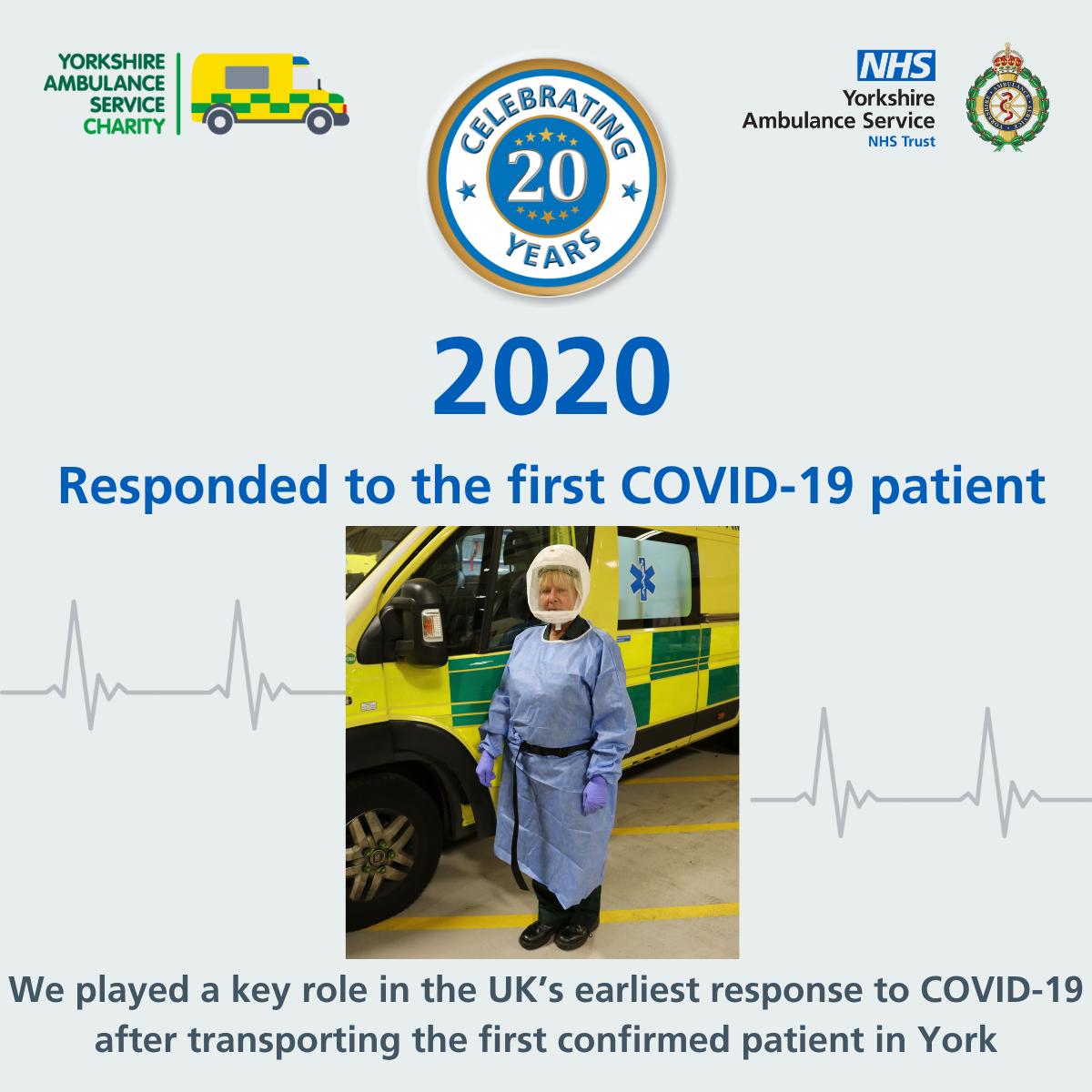
On 29 January 2020, we transported the UK’s first confirmed COVID-19 patient. What followed was an extraordinary and unprecedented period for our service, communities and the NHS as a whole. Our teams adapted quickly to new ways of working, continued to care for patients in challenging circumstances and played a vital role in the response to one of the biggest public health emergencies in living memory.
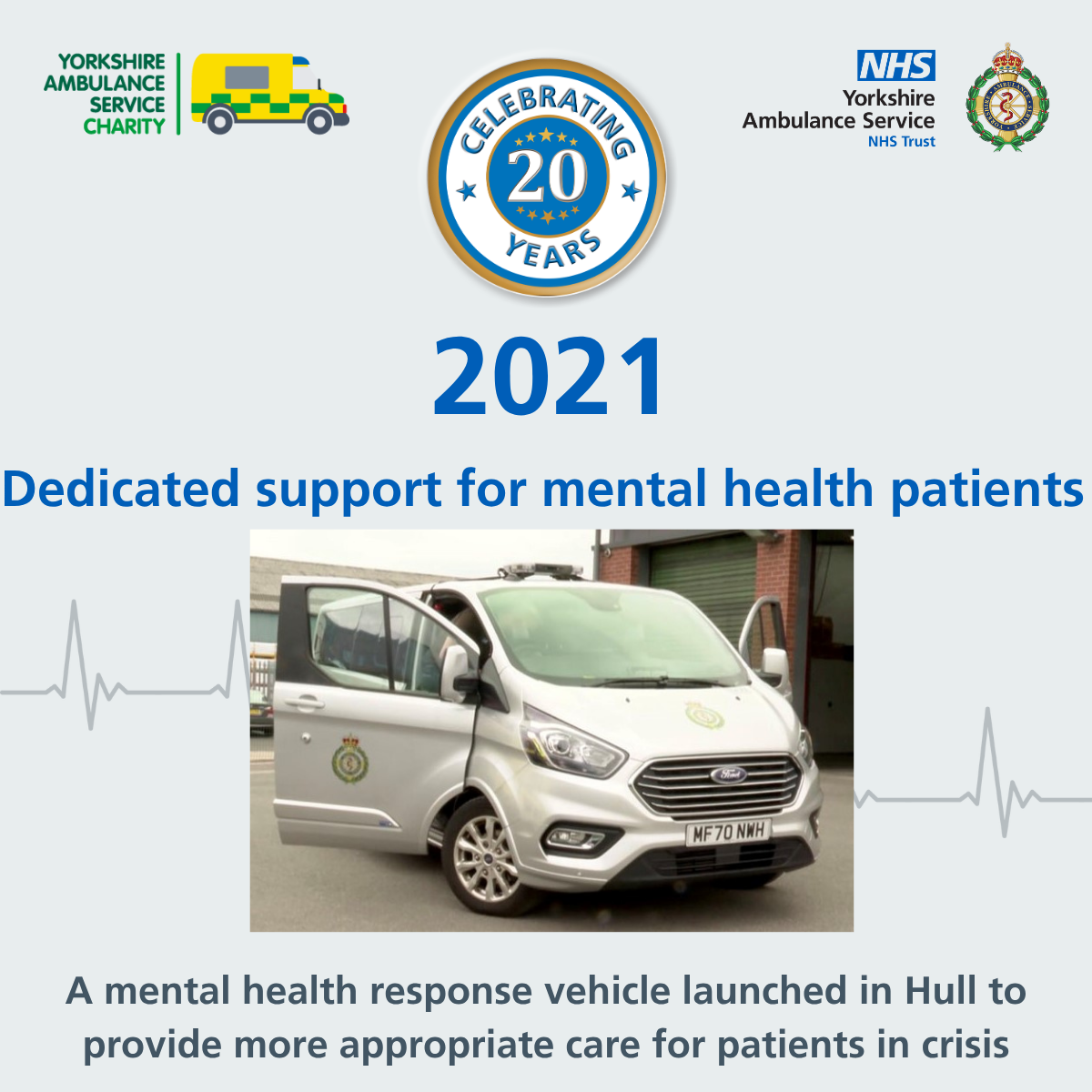
In April 2021, YAS launched a pilot mental health response vehicle in Hull to support patients experiencing a mental health crisis. Developed in partnership with Humberside Police and Humber Teaching NHS Foundation Trust, the vehicle was staffed by ambulance colleagues with additional mental health training and helped more patients receive care in the most appropriate setting. The number of mental health response vehicles has since grown across Yorkshire, supported by 27 Specialist Paramedics in Mental Health based in locations including Hull, York, Wakefield, Bradford, Leeds, Halifax, Hoyland, Middlewood and Doncaster.
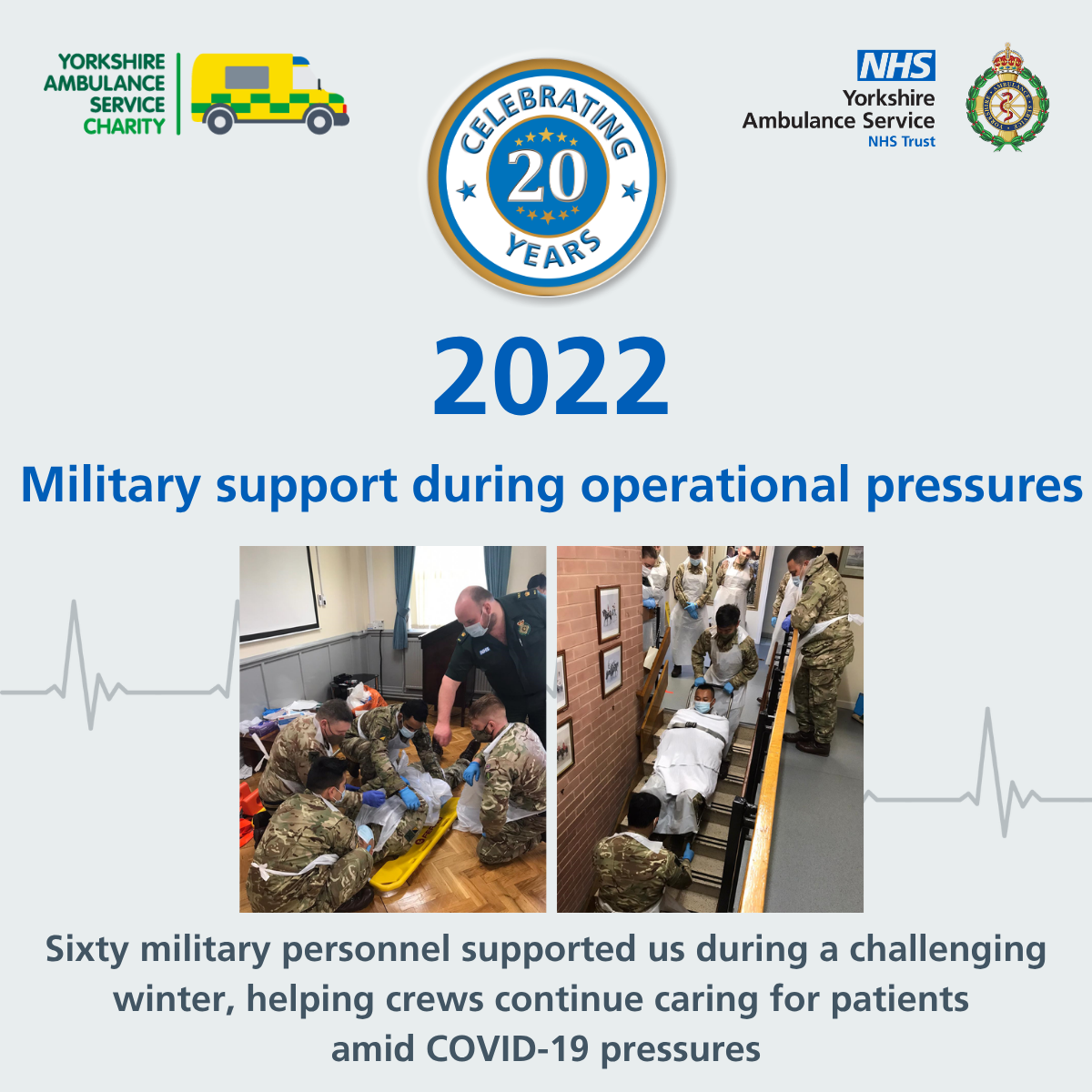
In January 2022, YAS requested military support as operational pressures were worsened by COVID-19 related absence. Sixty personnel from 10 The Queen’s Own Gurkha Logistic Regiment worked alongside colleagues across South, West and East Yorkshire during January and February, helping transport patients with less urgent needs, support non-emergency patient transport and transfer patients between hospitals. Their support helped YAS make better use of emergency resources and continue providing care during a particularly challenging period.
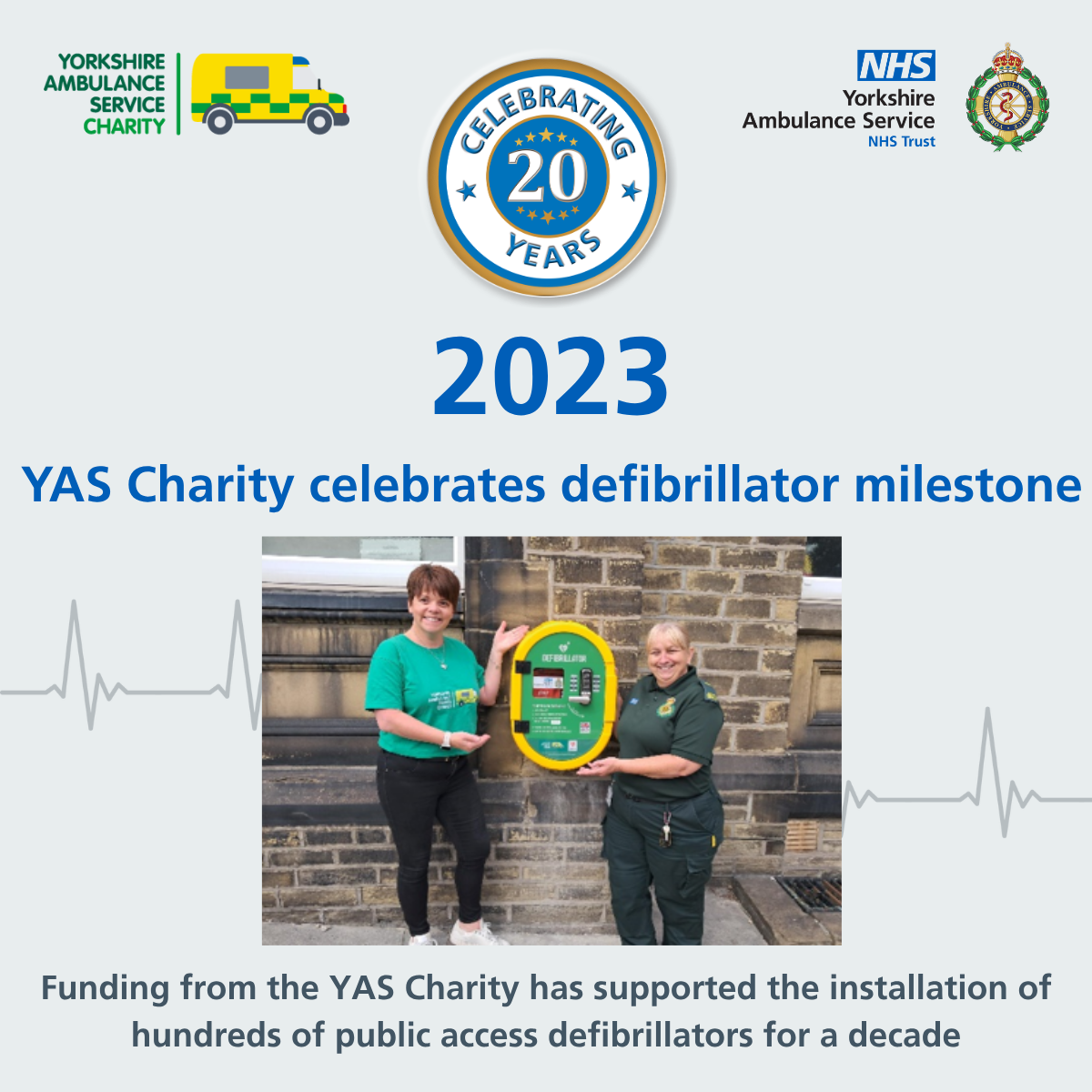
The YAS Charity has been dedicated to funding life-saving initiatives that help people respond in a medical emergency. At the end of 2013, the charity began its work to fund automated external defibrillators in local communities that did not have one. Over the years this work has continued and expanded. In the last three years alone, the YAS Charity has supported the installation of 54 community public access defibrillators across Yorkshire.
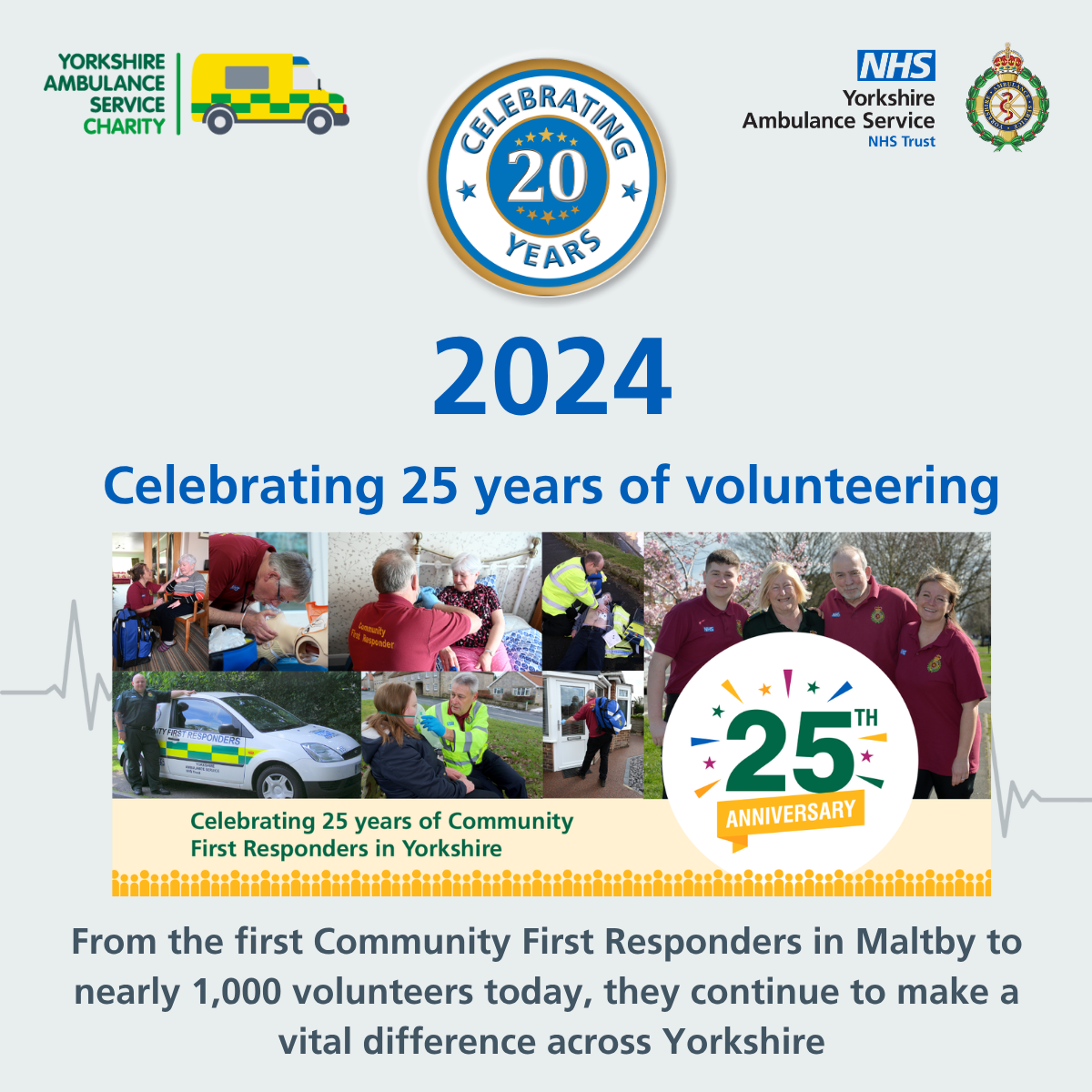
Volunteering at Yorkshire Ambulance Service began with the first Community First Responder (CFR) scheme in Maltby, near Rotherham, in late 1999. Since then, our volunteering community has grown to include nearly 1,000 people who give their time to support patients, colleagues and communities across Yorkshire. From Community First Responders providing care and reassurance before an ambulance arrives, to Patient Transport Service volunteers helping patients get to vital appointments, and Critical Friends Network volunteers representing the patient voice, their contribution continues to make a lasting impact.
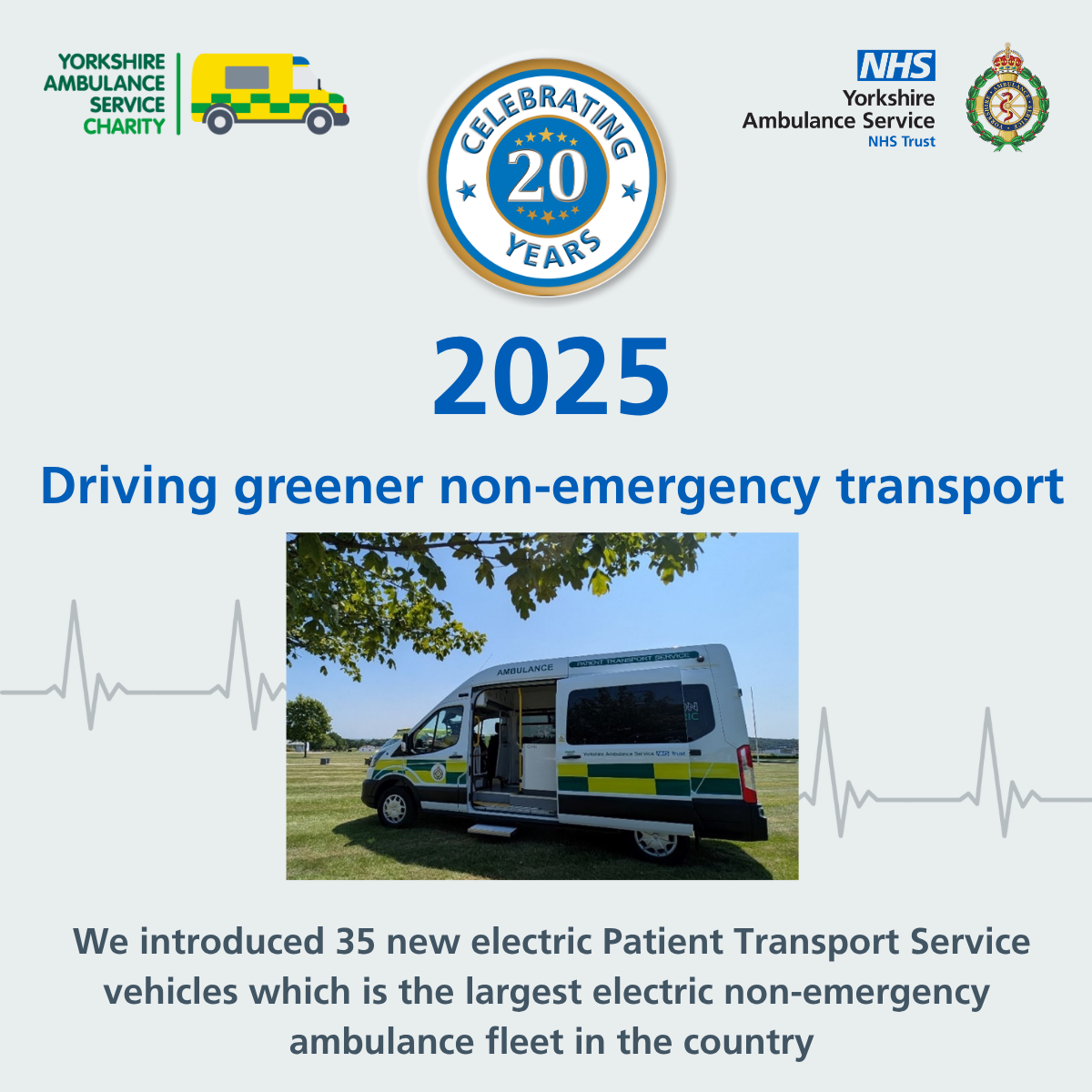
Our Patient Transport Service introduced 35 new electric ambulances, supporting the Trust’s commitment to reducing carbon emissions and working towards NHS net zero goals. Based across sites including Bramley, Barnsley, Bradford, Doncaster, Hull, Scunthorpe and Wakefield, the new vehicles mark another important step in making our fleet greener while continuing to provide safe, reliable care for communities across Yorkshire.
Produced by: Corporate Communications Department